









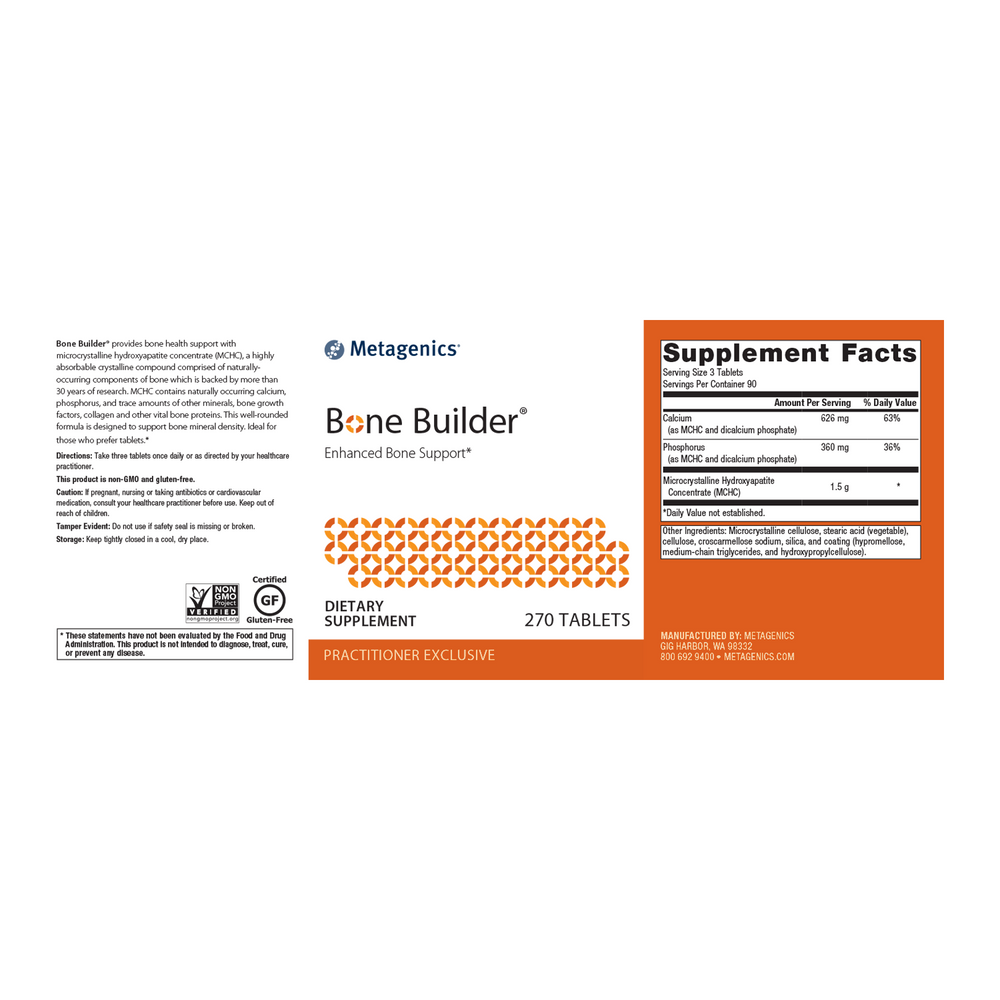

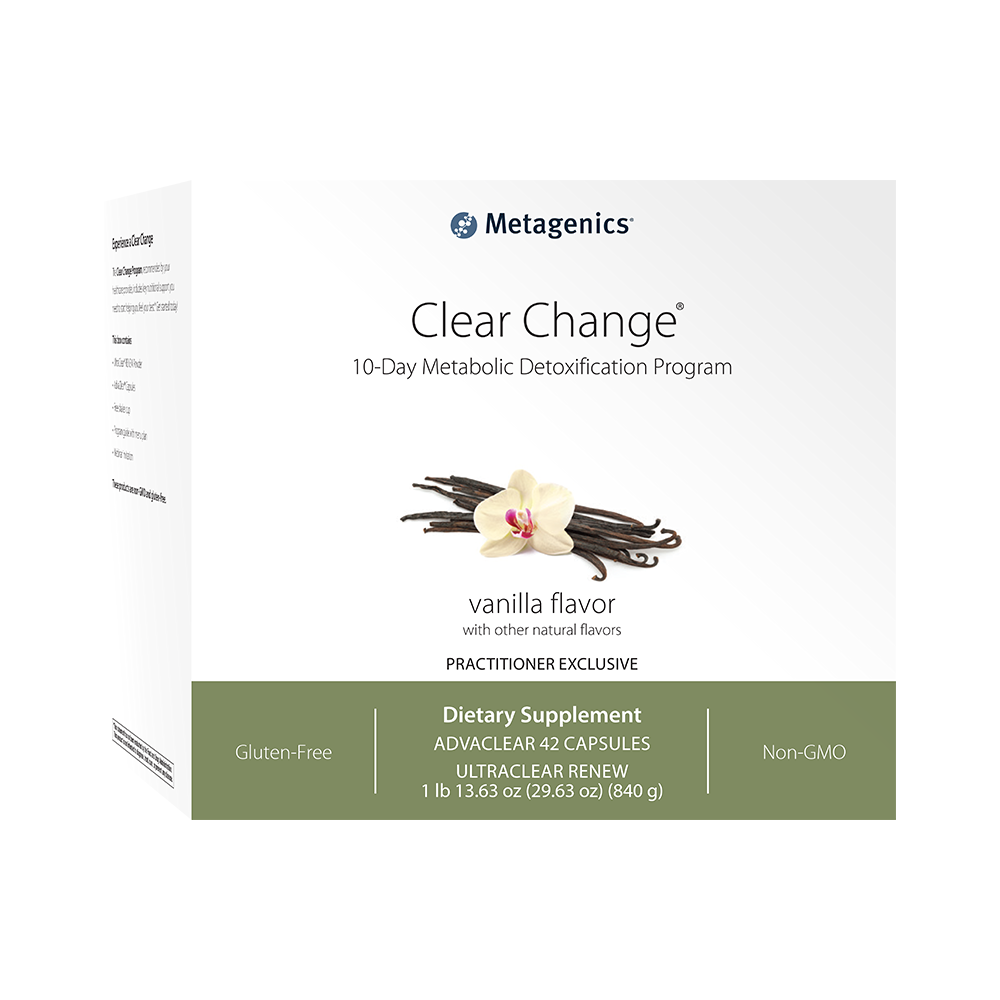

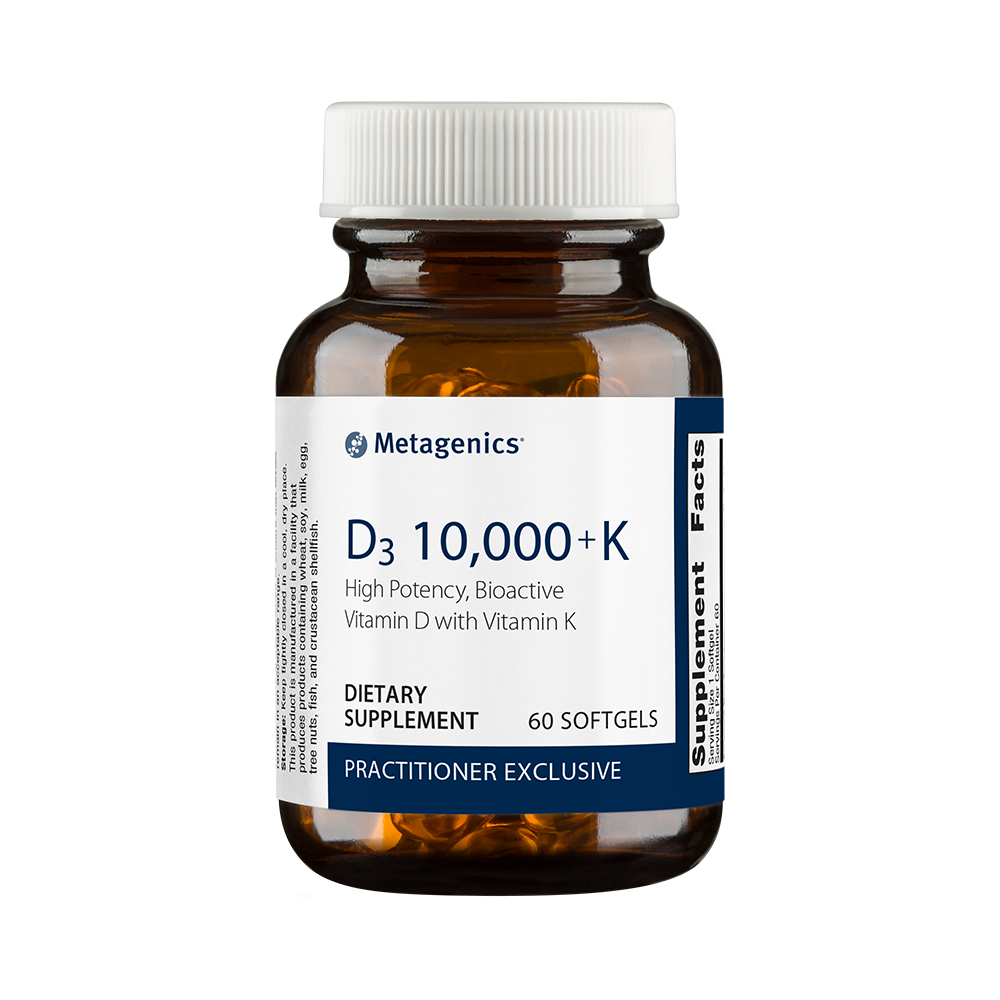

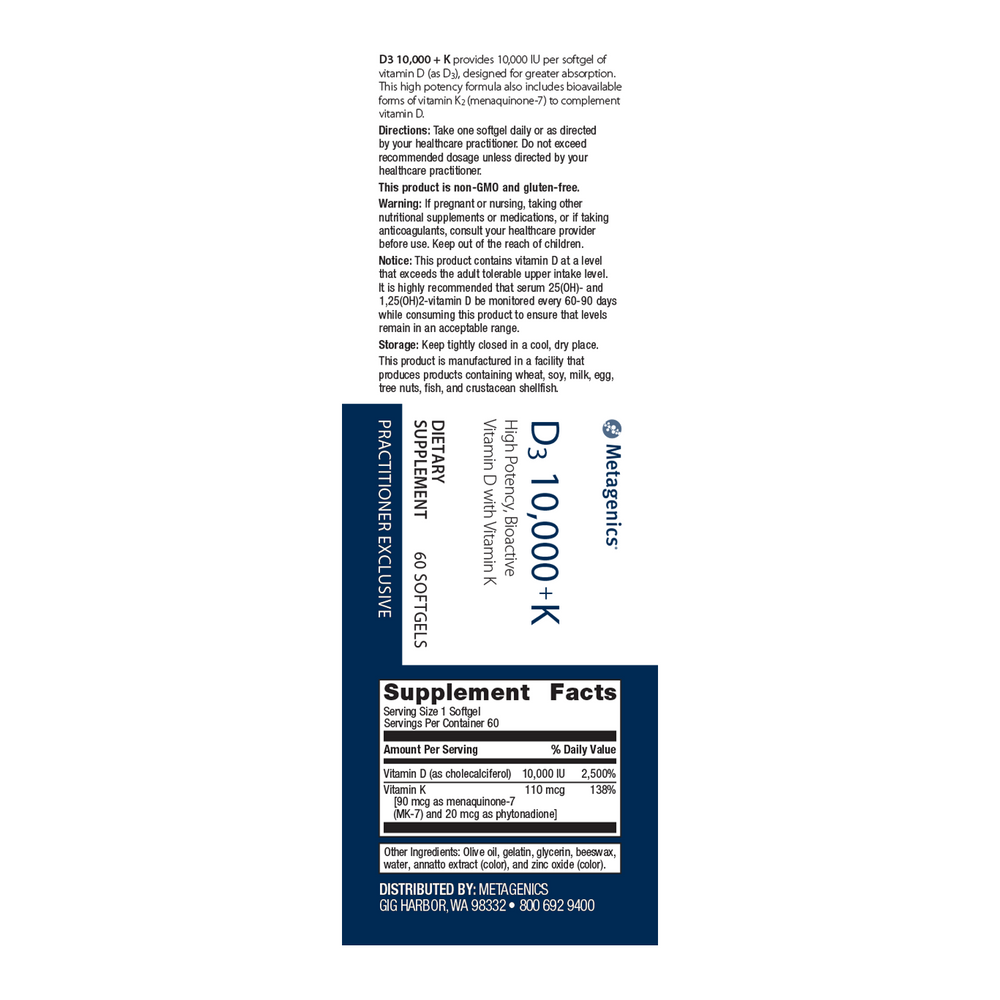



Instead of self-diagnosing, let Renee use her 15+years of naturopathy to guide you toward a healthy, happy lifestyle.
"I'm so happy I found Love Natural Health, It's been a real life change to use their products on a daily basis."
"I've been taking their Hair vitamins for the last 6 months, and all I can say is that I've seen a massive improvement in the length of my hair."
"Ever since my grandfather suffered from a mild heart attack, our doctor recommended us to take cardiovascular supplements, let's just say we're super happy we came across LNH."
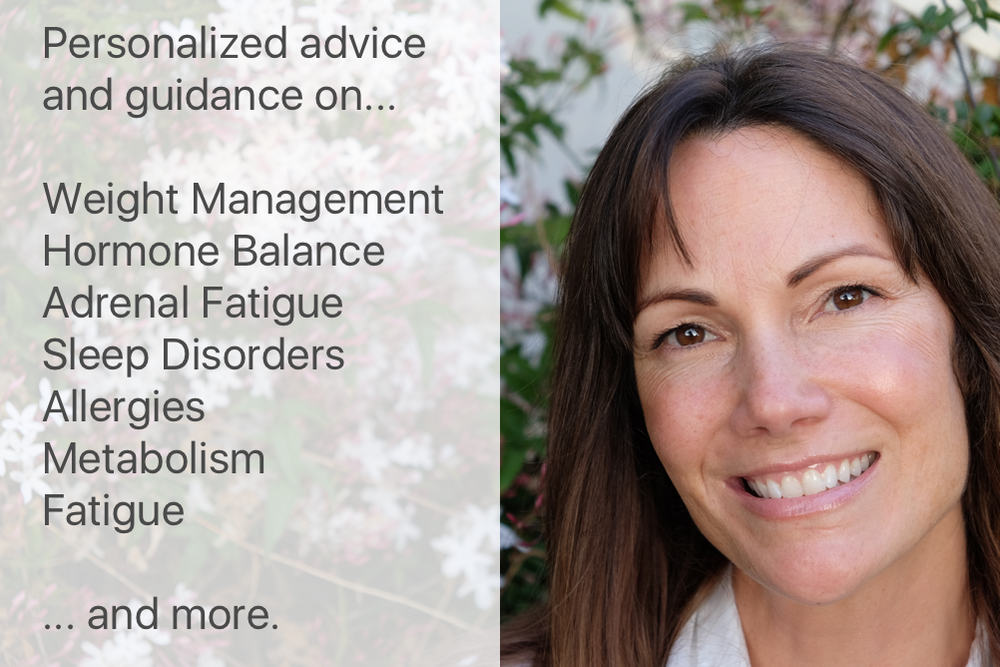





In this 60-minute session, we'll dive into the areas that matter most to you to deliver a burst of knowledge and advice that will guide you back on to the path of healthy living. We can work on:
Scheduling is simple and totally up to you.
After purchase, Renee will reach out to you via email or phone to schedule a date and time that is most convenient for you.
Checkout our most recent blog posts from our team.
Like most families, we spent the holidays surrounded by the ones we love. We love them unconditionally, even when they...
Welcome to the new online home for Love Natural Health! I couldn't be more excited about the potential to help even...